Choosing a coffin can be a distressing decision at a difficult time, particularly when we feel rushed or are presented with options that don’t suit the character or values of the person that we are buying for. This simple guide will help you decide on the right coffin or casket in a more informed manner.
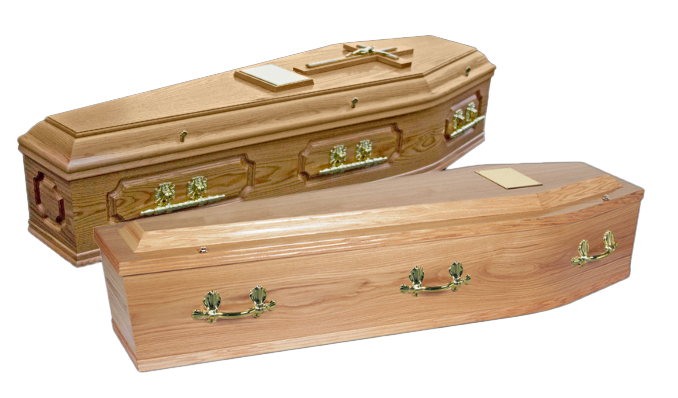
Classic in design. Made from either wood effect, veneer, semi-solid or solid wood. Manufactured to best environmental practice with Forestry Stewardship Council [FSC] certification, made using sustainable timber.
The Heartwood and Heartwood Premium range is home to the most popular items and perfect for those who want to stick to a traditional style of coffin or casket.
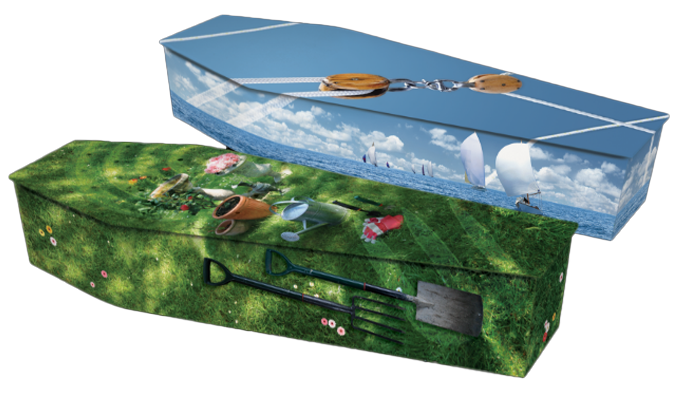
Every image tells a story, so it is not surprising that more and more people are opting for a picture coffin when making funeral arrangements.
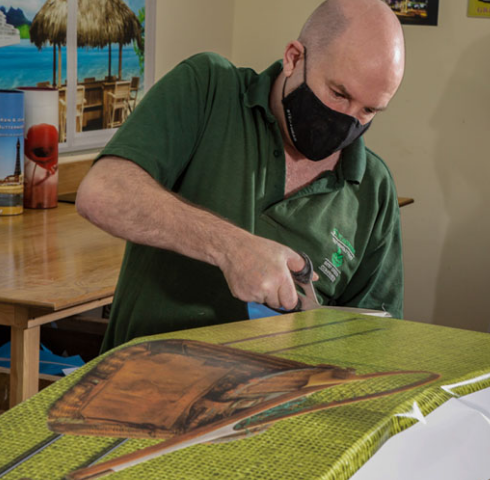
Whether you choose a sporting theme, a landscape or something more abstract, our Reflections design service will guarantee a picture coffin that is truly personal. These coffins are perfect for loved ones that have a particular passion in life that you want to celebrate.
Woodland burial friendly. Manufactured from Nil free Formaldehyde Board and biodegradable paper wrap. Every Reflection coffin comes with a natural biodegradable cotton lining.
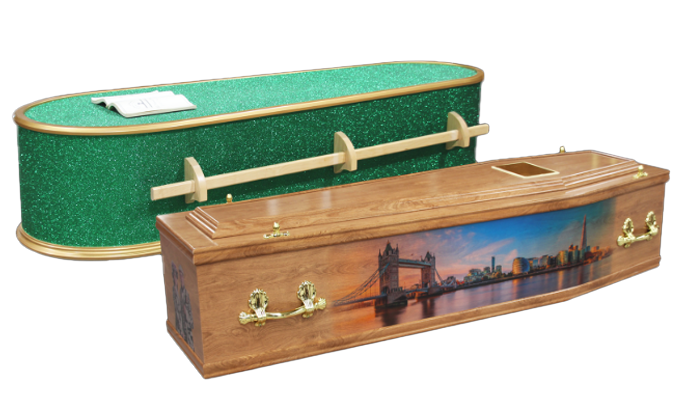
Do you want a more bespoke coffin without having to opt for a full picture coffin? The Expressions range allows for a greater degree of personalisation across a wide range of our coffins and caskets.
Choose any colour from the Deluxe range, opt for engraving, print directly onto the surface or add a number of glitter options. Expressions coffins are great for those looking for a more contemporary design or something a little more individual and flamboyant.
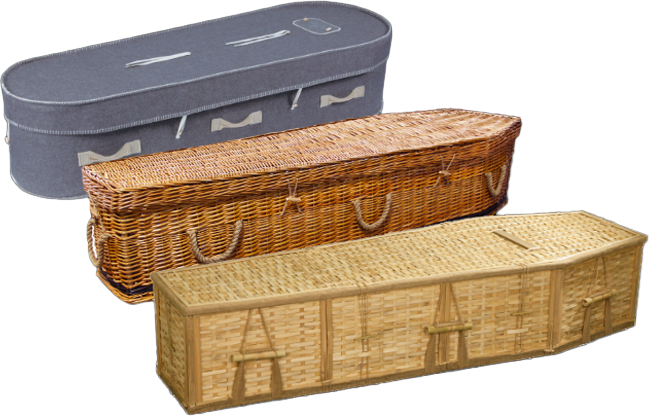
The Country Range brings together a wide selection of coffins and caskets that are manufactured using natural and sustainable materials. They are bio-degradable and suitable for all types of natural or traditional burials, and are accepted for cremation.
The range of products has a low carbon footprint and offers a social and ethical benefit, be it to a community involved with their manufacture or through our donations to Groundwork UK or our Greener Goodbyes initiatives.
The country range is ideal for those who are looking for an environmentally conscious approach to funeral arrangement, or those who wish a more contemporary or tactile product.
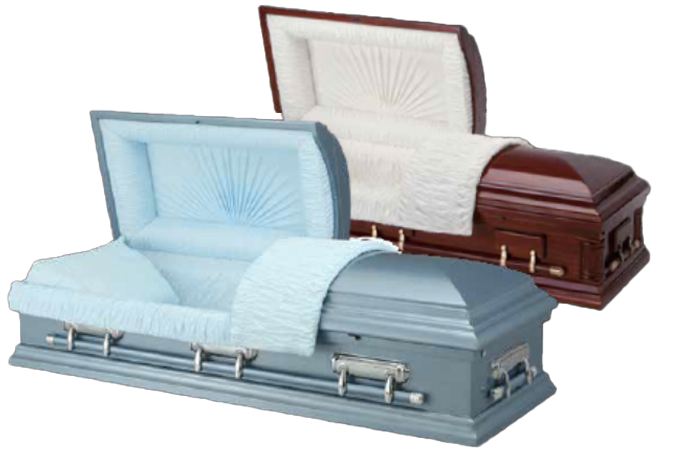
Our range of genuine American style caskets, provided exclusively to us in partnership with SICH Caskets, offer a distinctive and elegant feel to any funeral arrangement.
Featuring a variety of fine hardwoods, finished steel, and precious metals, these caskets provide high quality and high value. As well as the fully lined interiors that come as standard, we offer an extensive selection of unique cap panels – designed and supplied to fit the casket of your choice. These can be personalised with imagery and wording. Just supply a design or idea for us and we’ll create a proof for your approval.
Our Guardian caskets are the pinnacle of luxury and make a statement.
Greener Goodbyes helps you to model a funeral, including a coffin or casket choice, and calculate its carbon footprint. From the results, you can then choose to offset the emissions by supporting several established and accredited projects.
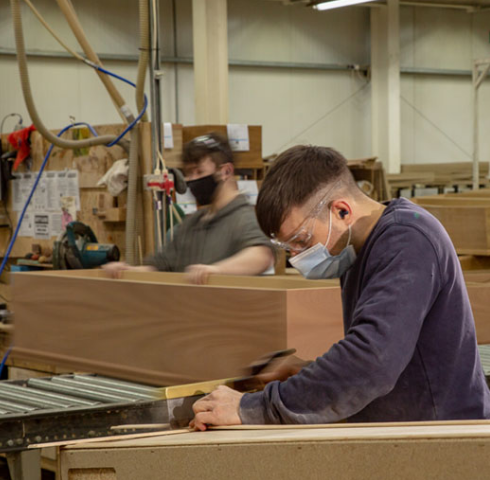
Founded in 1936, J C Atkinson and Sons has grown through three generations of family ownership to become the leading independent manufacturer and distributor of coffins, caskets and other related products to the UK funeral market.
J C Atkinson aim to provide the highest standard of ethically hand-crafted products, while maintaining exceptional levels of quality & customer care. They are an award winning, environmentally focussed company, who are Fairtrade, FFMA, Forest Stewardship Council certified and Carbon Trust Standard bearers, offering choice with the highest and unrivalled environmental standards in our sector.
WHO MAKES THE
coffins
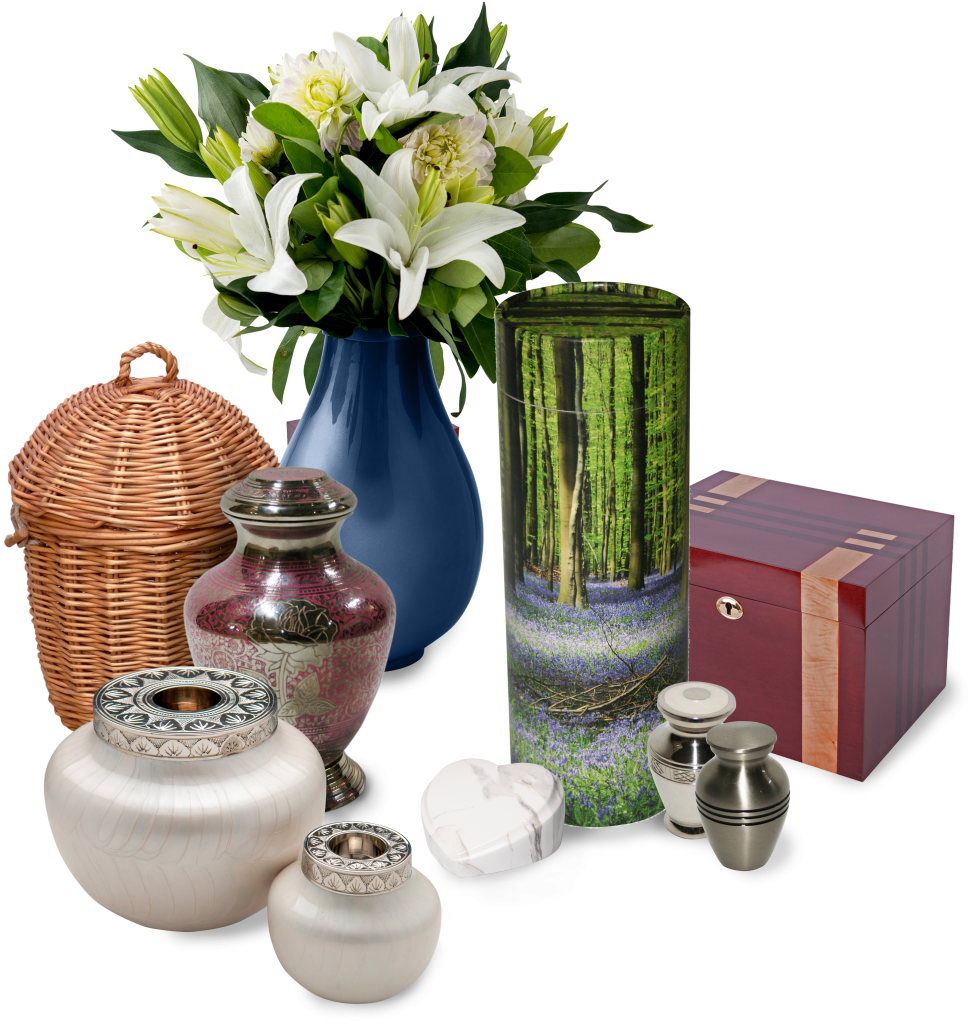
In addition to our main product ranges, we offer a comprehensive selection of ashes caskets and urns, many of which are companion pieces to our coffins and caskets.
They come in a wide array of colours, styles and materials including wood, wicker, metal and paper. The Forever Urns collection caters for a range of post-cremation options, including caskets and urns for burial and interment, to keep in the home, to scatter, and to share with others.
While bereavement is a difficult period for any family, the loss of a child is specially hard.
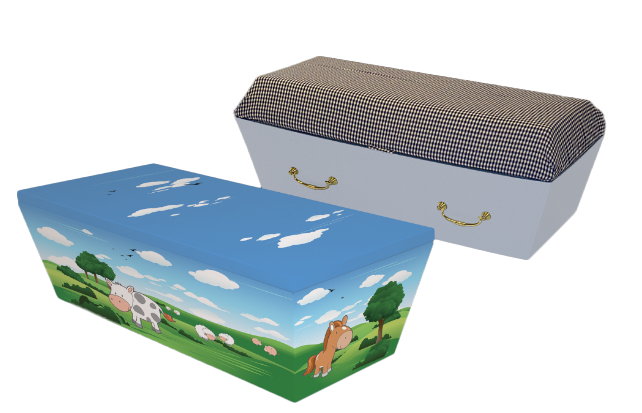
Illumna brings together a collection of infant coffins and caskets, manufactured to the highest of standards. At the most challenging of times, illumna is there to offer you sensitive and considered practical solutions.